
Ronbus Quanta R5 vs RPM Q2 Widebody 16
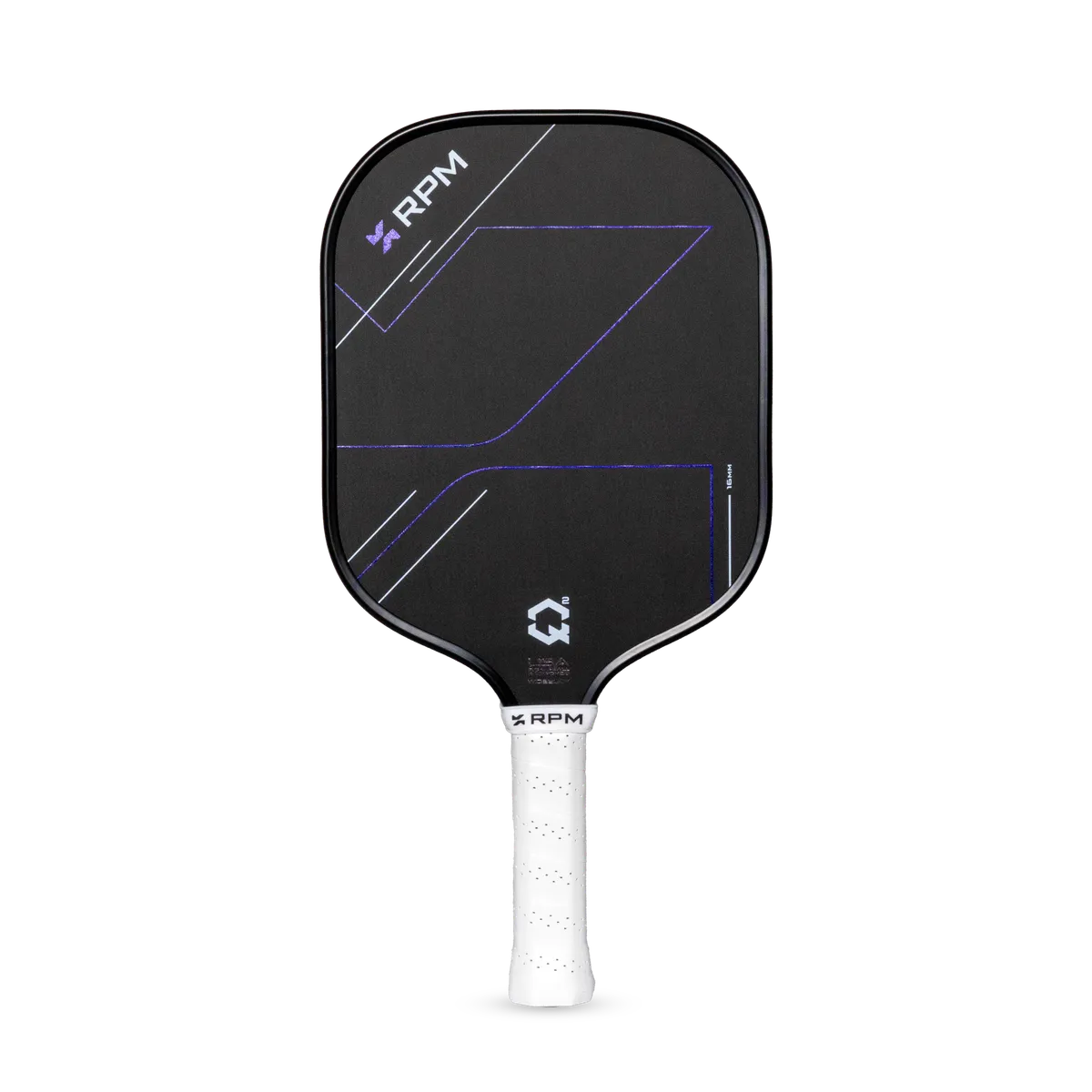
The Ronbus Quanta R5 and the RPM Q2 Widebody 16 are both 16 mm widebody paddles, so this one comes down to the measured numbers. Across the 6 specs with a clearly better direction the Q2 Widebody 16 takes 4 and the Quanta R5 takes 1. The Quanta R5 swings lighter (103.0 vs 111.0) — quicker hands at the net, where the Q2 Widebody 16 plows through the ball instead. That is a preference, not a win. The Quanta R5 is $130.99 cheaper at $119.00.
Same shape and near-identical core thickness — a genuine either/or. Every number below is lab-measured, not a manufacturer claim.
Spec by spec
| Spec | RonbusQuanta R5 | RPMQ2 Widebody 16 |
|---|---|---|
| Price | $119.00 | $249.99 |
| Core thickness | 16 mm | 16 mm |
| Static weightNeither is better — it's a feel preference. | 7.7 oz | 8.0 oz |
| Swing weightHigher = more power and plow-through; lower = quicker hands. | 103.0 | 111.0 |
| Twist weightHigher is more forgiving on off-center hits. | 6.15 | 7.00 |
| Balance pointHigher = more head-heavy. | 23.2 cm | 23.8 cm |
| Spin | 2,110 RPM | 2,136 RPM |
| Power | 56.7 MPH | 56.8 MPH |
| Pop | 36.9 MPH | 36.9 MPH |
| Firepower | 75 | 76 |
| Handle length | 5.5 in | 5.5 in |
| Grip size | 4.125 in | 4.250 in |
| Shape | Widebody | Widebody |
| Build | Gen 4 | Gen 4 |
| Surface | Raw Texture/Peel Ply | Raw Texture/Peel Ply |
| Face material | Carbon | — |
| Spin rating | Very High | Very High |
| Certification | USAP | USAP |
Highlighted cells win a spec that has an unambiguously better direction (6 of them here). Swing weight, static weight and balance point are never highlighted — neither direction is better, they are feel preferences.
Where each one ranks
Ronbus Quanta R5
RPM Q2 Widebody 16
Percentiles are ranks against paddles measured by the same lab, never blended across labs.
Keep going
Open this in the interactive comparison to add up to two more paddles, or tune either one with lead tape on its own page: Quanta R5 · Q2 Widebody 16.
Static weight 7.7 oz vs 8.0 oz — a few grams of tape moves swing weight far more than static weight, so either can be pushed toward the other.